
The Three Days Rule for Insulin: What Every Camden Diabetic Should Know Before Using or Selling Diabetes Supplies
Managing diabetes means paying close attention to how insulin is stored, handled, and used. One topic that often causes confusion is the three days rule for insulin. Many people hear about this rule but aren't sure what it actually means, when it applies, or why it matters
If you're a diabetic resident in Camden, understanding the three days rule for insulin can help you protect your health, avoid wasting expensive medication, and make better decisions about your unopened diabetes supplies.
At Camden Diabetic Supply Buyers, we regularly speak with people who have extra unopened diabetic supplies after a prescription change, medication adjustment, or switch to a different treatment. Understanding insulin storage guidelines can also help you determine whether supplies are still eligible for use—or whether your unused, unopened supplies may have resale value.

What Is the Three Days Rule for Insulin?
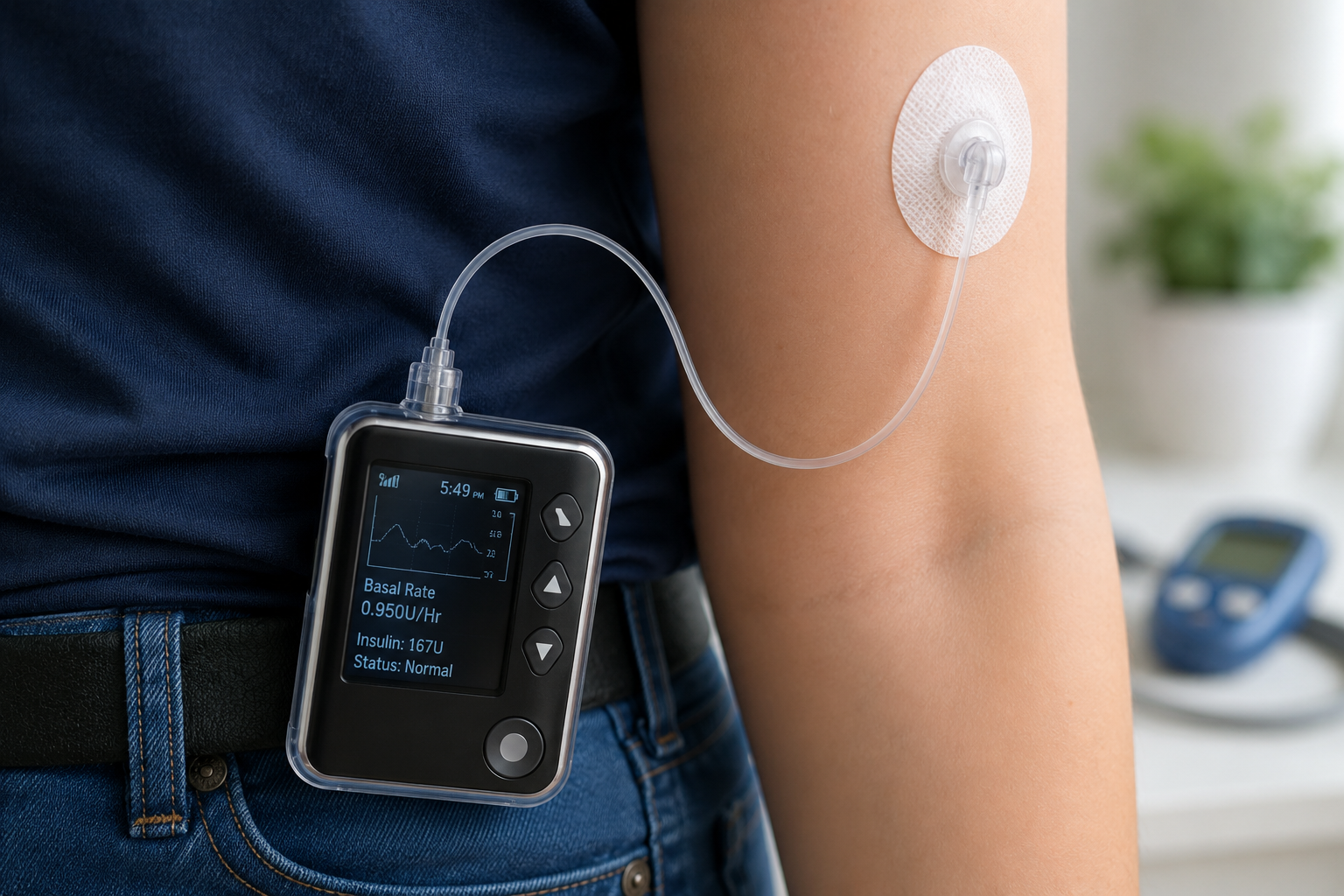
The three days rule for insulin generally refers to manufacturer or healthcare-provider guidance that certain insulin products, infusion sets, reservoirs, or insulin stored in an insulin pump should be replaced after approximately 72 hours (three days).
This recommendation is designed to help ensure:
- Maximum insulin effectiveness
- Lower risk of bacterial contamination
- Reliable insulin delivery
- Reduced risk of infusion-site infections
- Better blood sugar control
It's important to understand that this rule does not apply to every type of insulin in exactly the same way. Different insulin products have different storage requirements, and you should always follow the instructions provided by your healthcare provider and the product manufacturer.
Why Does the Three Days Rule Matter?
Insulin is a delicate medication.
Heat, sunlight, repeated temperature changes, and prolonged exposure to room temperature can gradually reduce its effectiveness.
Even when insulin appears normal, it may become less effective over time.
Replacing insulin according to recommended guidelines helps reduce the chances of:
- Unexpected high blood sugar
- Poor glucose control
- Diabetic ketoacidosis (DKA) in insulin-dependent patients
- Pump delivery problems
- Blocked infusion sets
For people using insulin pumps, following the three-day replacement schedule is especially important because insulin remains inside the pump reservoir and tubing continuously.
Which Insulin Products Follow the Three Days Rule?
The three-day recommendation most commonly applies to:
List of Services
-
Insulin Pump ReservoirsList Item 1
Many manufacturers recommend replacing:
- Reservoirs
- Tubing
- Infusion sets
every 48–72 hours, with 72 hours often serving as the maximum recommended use.
-
Infusion SitesList Item 2
Even if insulin is still available inside the reservoir, infusion sites should generally be rotated every three days.
Changing locations helps reduce:
- Scar tissue
- Skin irritation
- Infection risk
- Poor insulin absorption
-
Certain Opened Insulin SuppliesList Item 3
Some insulin products have shorter room-temperature life after opening than others.
Examples include:
- Rapid-acting insulin
- Short-acting insulin
- Certain premixed formulations
Always verify the specific instructions for your prescribed insulin.
Does the Three Days Rule Apply to Insulin Pens?
Not necessarily.
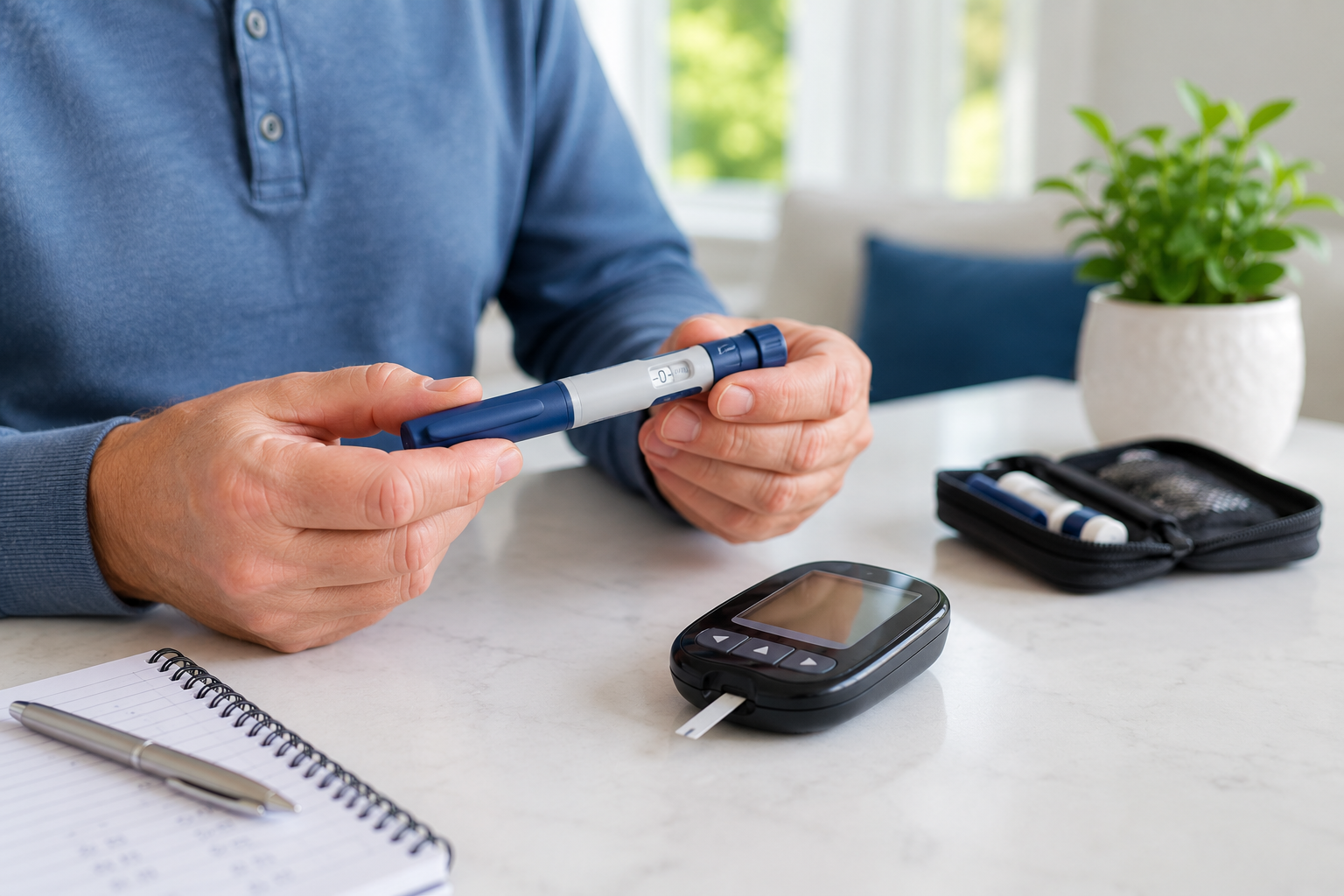
Many insulin pens remain usable much longer after opening.
Depending on the manufacturer, some insulin pens can remain effective for:
- 10 days
- 14 days
- 28 days
- 42 days
- Even longer
Each product is different.
Never assume all insulin follows the same timeline
Proper Insulin Storage Tips
Correct storage is one of the most important ways to maintain insulin quality.
List of Services
-
Before OpeningList Item 1
Store unopened insulin:
- In the refrigerator
- Never frozen
- Away from direct sunlight
- According to manufacturer recommendations
-
After OpeningList Item 2
Most insulin products should:
- Stay below recommended temperatures
- Avoid excessive heat
- Avoid freezing
- Remain away from direct sunlight
- Be discarded according to product-specific instructions
If insulin has been exposed to:
Hot vehicles
Power outages
Freezing temperatures
Extreme summer heat
it may no longer perform properly.
Signs Your Insulin May No Longer Be Effective
Sometimes insulin loses effectiveness without obvious warning.
Possible signs include:
- Blood sugar suddenly running higher than usual
- Frequent correction doses
- Unexpected hyperglycemia
- Pump alarms or delivery problems
- Cloudiness (when the insulin should be clear)
- Clumps or particles
- Changes in color
If you suspect insulin has lost potency, contact your healthcare provider before continuing to use it.
Why Following Insulin Guidelines Saves Money
Insulin is expensive.
Using proper storage techniques can help reduce unnecessary waste.
Many people also discover they have unopened diabetic supplies they no longer need because they have:
- Switched insulin brands
- Started a CGM
- Changed insurance
- Transitioned to a pump
- Switched to injections
- Received duplicate shipments
Rather than letting unopened eligible supplies expire, many Camden residents choose to sell qualifying diabetic supplies for cash.
Can You Sell Unopened Diabetic Supplies?
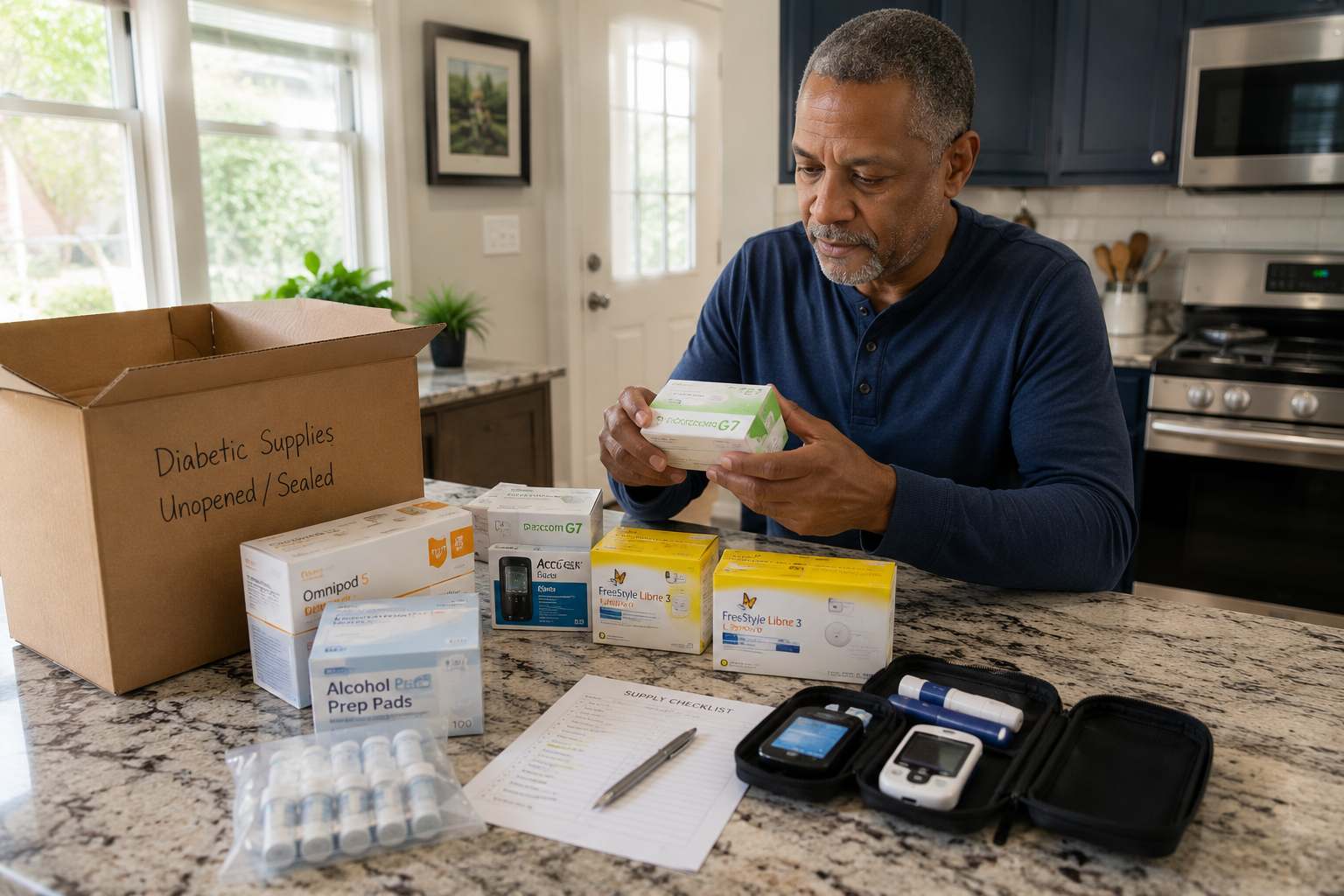
While prescription medications such as insulin are generally subject to legal restrictions regarding resale, many unopened diabetic supplies may be eligible for purchase depending on the product and applicable laws.
Examples may include:
- Dexcom G7 sensors
- Dexcom G6 sensors
- FreeStyle Libre 3 sensors
- FreeStyle Libre 2 sensors
- Omnipod supplies
- Accu-Chek test strips
- Contour Next test strips
- Certain insulin pump supplies
Eligibility depends on several factors, including expiration dates, packaging condition, and applicable regulations.
Real-World Example
A Camden resident switched from insulin injections to a newer treatment plan after working with their healthcare provider.
During the transition, they discovered several unopened boxes of Dexcom sensors and test strips they no longer needed.
Instead of allowing these unopened supplies to expire, they contacted Camden Diabetic Supply Buyers for a quote.
After confirming eligibility, they received payment for qualifying unopened supplies while freeing up storage space at home.
Every situation is different, and eligibility varies by product.
Common Questions About the Three Days Rule for Insulin
Does insulin automatically expire after three days?
No.
The three-day rule generally applies to specific situations such as insulin pump reservoirs or infusion sets—not every insulin product.
Can insulin still work after three days?
It depends on the insulin product, storage conditions, and manufacturer instructions.
Always follow the specific recommendations for your prescribed insulin.
Why do insulin pumps recommend changing every three days?
Changing pump supplies every three days helps reduce infection risk, improve insulin absorption, and maintain reliable insulin delivery.
What happens if insulin gets too hot?
High temperatures can reduce insulin potency, making blood sugar harder to control.
Can unopened diabetic supplies still have value?
Yes.
Many unopened diabetes supplies may qualify for purchase if they meet eligibility requirements.
Frequently Asked Questions
What is the three days rule for insulin?
The three days rule generally refers to replacing insulin pump reservoirs, tubing, and infusion sets every 72 hours or as directed by the manufacturer.
Does every insulin follow the three days rule?
No. Different insulin products have different storage and usage recommendations.
Can insulin go bad before its expiration date?
Yes. Improper storage, freezing, excessive heat, or prolonged exposure outside recommended conditions can reduce insulin effectiveness.
What diabetic supplies can be sold?
Depending on eligibility and applicable regulations, unopened supplies such as CGM sensors, test strips, pump supplies, and certain diabetes-related products may qualify.
How do I know if my supplies qualify?
Contact Camden Diabetic Supply Buyers with the product name, quantity, expiration date, and condition for a free evaluation.
Final Thoughts
Understanding the three days rule for insulin is an important part of safely managing diabetes. While the recommendation often applies to insulin pumps and infusion sets, every insulin product has its own storage and replacement guidelines.
Following manufacturer instructions, storing insulin correctly, and monitoring its effectiveness can help you maintain better blood sugar control while avoiding unnecessary waste.
If you've recently changed your diabetes treatment and have unopened Dexcom, Libre, Omnipod, test strips, or other eligible diabetic supplies, Camden Diabetic Supply Buyers is here to help.
Contact our team today for a free, no-obligation quote. You may be able to turn your unused unopened diabetic supplies into cash while helping ensure they don't go to waste.