What Is Diabetes? A Simple Guide for Beginners
What Is Diabetes? A Simple Guide for Beginner
Diabetes is a common health condition, but if you or someone you care about is new to the subject, words such as blood glucose, insulin, A1C, and Type 1 or Type 2 diabetes can make it seem complicated.
The basics are actually easier to understand when they're explained step by step.
In this beginner-friendly guide, we'll explain what diabetes is, how blood sugar and insulin work, the major types of diabetes, common signs people may experience, how healthcare professionals test for diabetes, and some practical ways people can support someone living with the condition.
What Is Diabetes?
Diabetes is a chronic health condition that affects the way the body handles glucose, commonly called blood sugar.
Glucose is an important source of energy for the body. Much of the food we eat is broken down into glucose, which enters the bloodstream.
Normally, a hormone called insulin helps glucose move from the bloodstream into the body's cells, where it can be used for energy.
When someone has diabetes, the body may not make enough insulin, may make little or no insulin, or may not use insulin effectively. As a result, too much glucose can remain in the bloodstream.
The CDC and National Institute of Diabetes and Digestive and Kidney Diseases (NIDDK) identify Type 1, Type 2, and gestational diabetes as the main types of diabetes.
What Is Blood Sugar?
Blood sugar and blood glucose generally refer to the same thing: glucose circulating in your bloodstream.
Glucose comes partly from the foods you eat, and your body can also make glucose. It serves as a major source of energy.
Think of glucose as fuel that needs to reach your body's cells.
That's where insulin becomes important.
What Is Insulin?
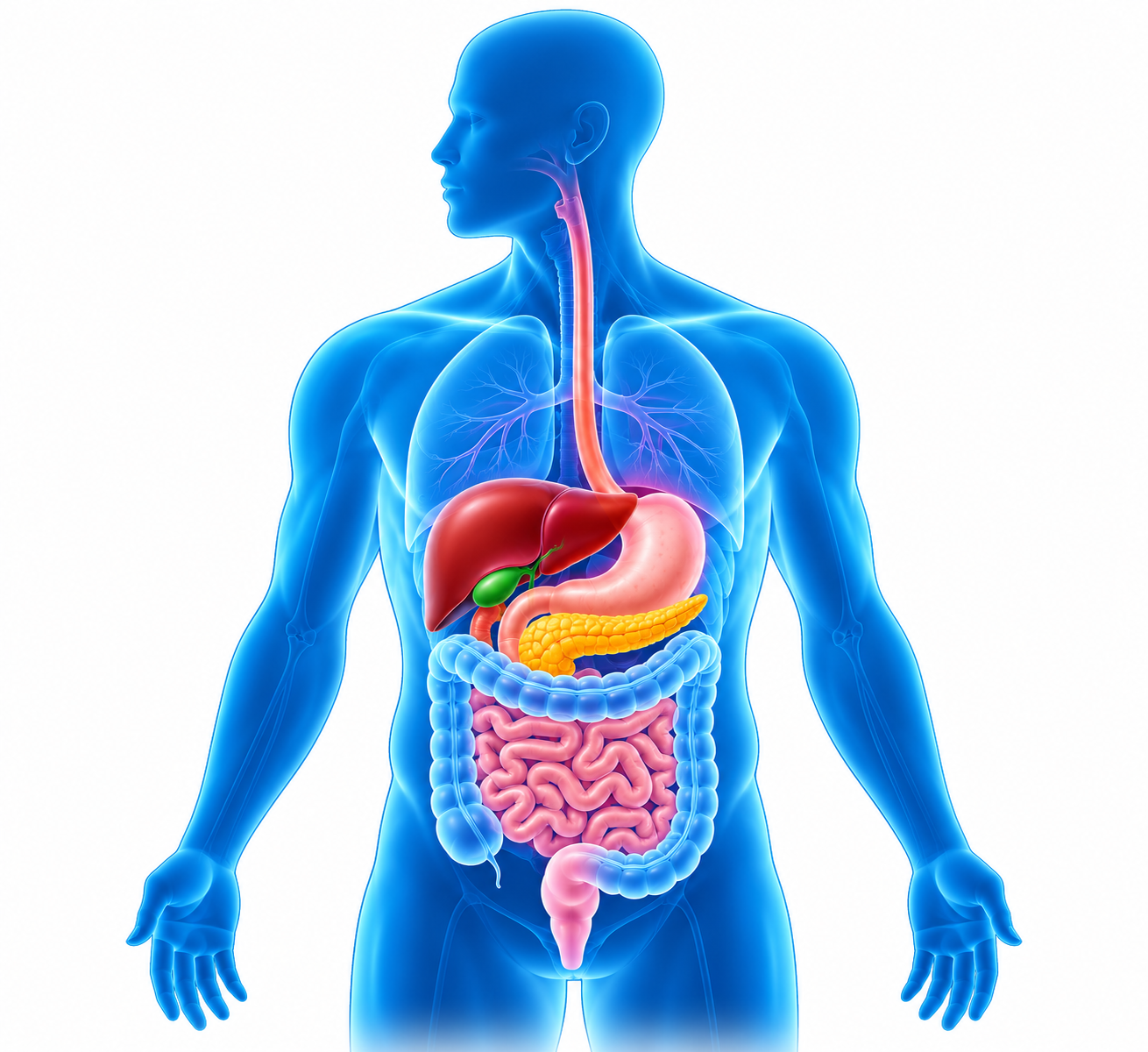
Insulin is a hormone produced by the pancreas.
One simple way of understanding insulin is to think of it as helping glucose get from your blood into your cells so those cells can use it for energy.
When the body doesn't make enough insulin, makes no insulin, or cannot use insulin effectively, glucose can build up in the bloodstream.
This relationship between food → glucose → insulin → cells → energy is one of the most important concepts for beginners to understand about diabetes.
What Are the Main Types of Diabetes?
Not everyone with diabetes has the same type of the condition.
Type 1 Diabetes
With Type 1 diabetes, the body's immune system attacks and destroys the cells in the pancreas that make insulin.
As a result, the body makes little or no insulin. People with Type 1 diabetes need insulin to survive.
Although Type 1 is often diagnosed in children and young adults, it can develop at any age.
Type 1 diabetes is not simply another name for Type 2 diabetes. They are different conditions.
Type 2 Diabetes
Type 2 diabetes is the most common type of diabetes.
With Type 2 diabetes, the body's cells do not use insulin properly, and the pancreas may not produce enough insulin to keep blood glucose within a healthy range.
Type 2 diabetes often develops over time. While it is frequently diagnosed in adults, children and teenagers can also develop it.
Gestational Diabetes
Gestational diabetes develops during pregnancy in someone who did not already have diabetes.
It often has no noticeable symptoms. Healthcare professionals commonly test for it during pregnancy.
Gestational diabetes usually goes away after pregnancy, but having it increases the person's future risk of developing Type 2 diabetes.
What About Prediabetes?
You may also have heard the term prediabetes.
Prediabetes means blood glucose levels are higher than normal but have not reached the level used to diagnose Type 2 diabetes.
Having prediabetes increases the risk of developing Type 2 diabetes in the future.
If you've been told you have prediabetes, talk with your healthcare professional about what that means for you and what steps may be appropriate.
What Are Common Signs of Diabetes?
Diabetes doesn't look exactly the same in everyone.
Some people experience noticeable symptoms, while others—particularly people developing Type 2 diabetes—may have few or no obvious symptoms.
According to the CDC, possible symptoms can include:
- Frequent urination
- Increased thirst
- Increased hunger
- Unexplained weight loss
- Fatigue
- Blurry vision
Some people may also experience other symptoms depending on the type of diabetes.
Symptoms alone cannot tell you whether you have diabetes.
If you're concerned about symptoms or believe you may be at risk, speak with a healthcare professional rather than trying to diagnose yourself from an article or online search.
How Do Doctors Test for Diabetes?
Healthcare professionals use blood tests to diagnose diabetes and prediabetes.
Depending on the situation, these can include an:
A1C Test
An A1C test provides information about a person's average blood glucose over approximately the previous two to three months.
Fasting Blood Sugar Test
This measures blood glucose after fasting, typically overnight
.
Glucose Tolerance Test
This measures how the body responds to glucose over a period of time.
Random Blood Sugar Test
This measures blood glucose at the time the test is performed without requiring an overnight fast.
Healthcare professionals determine which test is appropriate and interpret the results in the context of the individual.
If you receive a result you don't understand, ask your healthcare professional to explain what the number means for you rather than trying to interpret it on your own.
Can Someone Live a Full Life With Diabetes?
Diabetes requires ongoing attention, but it becomes part of everyday life for millions of people
.
Living with diabetes can involve healthcare appointments, taking prescribed medications, monitoring glucose when directed, learning about food and activity, managing stress, and developing routines that make diabetes care fit around work, school, family, travel, and other parts of life.
The CDC emphasizes that learning to live well with diabetes takes time and practice.
Support can make that process easier.
How Can You Support Someone Living With Diabetes?
If a family member or friend has diabetes, you don't need to become their doctor.
Often, practical support is more valuable.
You can:
- Listen without judging.
- Ask how you can help instead of assuming.
- Respect the person's privacy.
- Learn basic diabetes terminology.
- Encourage them to keep healthcare appointments.
- Help make healthy activities social and enjoyable.
- Avoid giving unsolicited medical advice.
- Be understanding that managing a long-term condition can sometimes be frustrating.
Most importantly, remember that a person is much more than their diabetes diagnosis.
Newly Diagnosed? Start With Education, Not Information Overload
Being newly diagnosed can introduce a lot of unfamiliar terminology very quickly.
You don't have to understand everything at once.
Start with a few basic concepts:
Glucose is an important source of energy.
Insulin helps glucose get into the body's cells.
Diabetes affects the way this process works.
Different types of diabetes work differently.
And your healthcare team is the appropriate source for recommendations specific to your health.
Reliable resources such as the CDC and NIDDK can also help you learn more without relying on questionable health information found online.
Frequently Asked Questions About Diabetes
Is diabetes the same as having high blood sugar?
Diabetes is a condition involving blood glucose that is too high. However, an individual glucose reading shouldn't be used to diagnose yourself. Healthcare professionals use appropriate testing and clinical information to diagnose diabetes.
Are Type 1 and Type 2 diabetes the same?
No. With Type 1 diabetes, the immune system destroys insulin-producing cells in the pancreas. Type 2 involves the body not using insulin properly and, over time, potentially not producing enough insulin to maintain healthy blood glucose levels.
Can adults develop Type 1 diabetes?
Yes. Although Type 1 is often diagnosed in children and young adults, it can occur at any age.
Can children develop Type 2 diabetes?
Yes. Although Type 2 has traditionally been associated with adults, it can also occur in children and teenagers.
Does everyone with diabetes have symptoms?
No. Some people—especially those with Type 2 diabetes—may have few or no noticeable symptoms.
What should I do if I think I have diabetes?
Talk with a healthcare professional. A blood test is needed to determine whether someone has diabetes or prediabetes.
Diabetes Education for Our Camden and South Jersey Community
Understanding diabetes starts with reliable information.
At Camden Diabetic Supply Buyers, we're part of the Camden-area community, and we believe useful diabetes education should be easy to understand and accessible to individuals and families.
That's why our website includes educational resources alongside information about the services we provide.
Have Unopened Diabetic Supplies You No Longer Need?
If you live in Camden, Camden County, or the surrounding South Jersey area and have eligible unopened diabetic supplies you no longer need, Camden Diabetic Supply Buyers may be able to help.
We purchase selected eligible products, including certain Dexcom, FreeStyle Libre, Omnipod, Accu-Chek and other diabetic supplies.
Call 856-375-4496 or visit our Contact / Request a Quote page to tell us what you have.
Getting a quote is simple, and there's no obligation to accept an offer.
Trusted Sources & Further Reading
For additional diabetes education, visit the CDC's Diabetes section and the National Institute of Diabetes and Digestive and Kidney Diseases' Diabetes Overview.
Medical disclaimer: This content is provided for general educational purposes only. Camden Diabetic Supply Buyers does not provide medical advice, diagnosis, or treatment. Always consult an appropriate healthcare professional about personal symptoms, testing, medications, treatment, or other healthcare decisions.